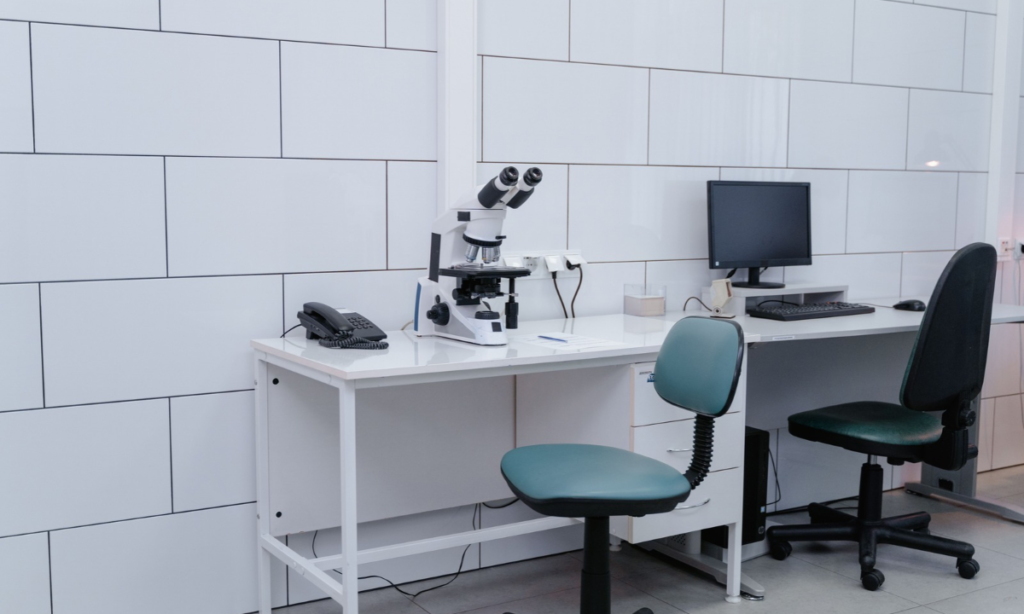

The field of medical technology is growing very fast. From imaging techniques and computer treatment to robot technology and patient monitoring devices, many areas have been covered in the development of medical technology. To keep up with all these developments, it will require huge investments from the healthcare industry. However, medical equipment leasing makes an excellent solution through which the healthcare industry will be able to stay updated without investing too much of its money. Medical equipment leasing is extremely advantageous for most of the healthcare institutions.
Get Advanced Tech Access Without Making Major Down Payments
Acquisition of high-tech medical equipment puts a serious burden on the healthcare provider’s budget. Imaging systems, diagnostic equipment, surgical tech, and specialty treatment devices require significant investment to buy outright. Medical equipment leasing allows providers to use the equipment with periodic installments rather than a big lump sum upfront. Healthcare facilities, this way, conserve liquidity and still get access to the technology that otherwise would have been hard to obtain in cash.
Advancements in Technology Promote Patient Care
Investing in technology can lead providers to improve their services. New machines can help to speed up the process of diagnosis, improve workflow, and increase the variety of treatments available to the patient. Medical equipment leasing allows healthcare facilities to implement new technology and get the benefits without holding a large amount of money to buy the equipment. For instance, some diagnostic machines can provide much better results, together with modern monitoring equipment that makes the process of gathering patient information easier and more efficient.
Stay Current with Technological Advances
One key drawback associated with the purchase of healthcare technology lies in the threat of the equipment becoming out-of-date. As healthcare technology keeps advancing, newer technologies may become available just a few years later, which would make older models obsolete. Medical equipment leasing can offer greater flexibility in case of rapid technological advances. In certain cases, providers may be able to trade, replace, or upgrade the equipment as the contract reaches its conclusion. In cases involving technology-intensive specialties, such an approach can prove very helpful as the provider will not need to invest a lot of capital in equipment that can be replaced later in favor of new technology.
Keep Capital for Your Business Needs
There’s much more than equipment that doctors and other medical personnel will get a loan for. Staffing, facility upgrades, inventory, software systems, training, promotion, and unexpected costs are other areas that also might call for a loan. Medical equipment leasing can be a good option for a medical practice that wants to allocate available cash for these areas, while still being able to acquire state-of-the-art technology. Being financially adaptable in the way you can with the capital tied up in the equipment is a big advantage as your business evolves. Healthcare business financing might also be able to give you a few more alternative options if your provider still hasn’t raised the working capital needed. It will ultimately be up to the provider to find the best fit, taking into consideration their current financial state, investment objectives, and ability to make repayments.
Strengthen Competitive Position
Patients are looking for healthcare services that are efficient, comfortable, and technology-enabled in today’s world. Healthcare providers should invest in modern technologies strategically to meet the expectations of patients and differentiate themselves from other providers. Medical equipment leasing enables providers to introduce new capabilities more easily without making a major up-front investment. New technologies will give providers a chance to offer new services that patients needed to go elsewhere for treatment, and because of that, increasing retention and having additional revenue opportunities.
Merging Leasing and Strategic Financing Together
Even though medical equipment leasing might be the solution for a healthcare business in most circumstances, it is not likely to cover all investment needs of a healthcare business. Renovations, business expansion, acquiring new businesses, or working capital are some examples of business needs that may demand different kinds of funding. Medical business loans might cover financing expenses besides equipment, as long as you meet the required criteria. Leveraging different financing options may assist your business to fulfill multiple operational needs while still keeping a handle on your operating capital. Nonetheless, taking on more debt than you can handle should be avoided by your healthcare entity. The expected financial and operational benefits should be able to make up for the costs involved in financing.
Conclusion
Medical equipment leasing enables providers of medical services to gain access to sophisticated medical equipment without the need to inject huge sums of money in the beginning. This will be a way for healthcare providers to advance through innovations, sustain working capital, improve quality of care, and stay tuned with the changing world of technology. Providers of medical services must make use of lease financing by comparing the costs of leasing, examining the lease terms, assessing the equipment needs, and taking into consideration alternative sources of financing.