
Neck and shoulder tension is a common problem for people who spend long hours sitting at a desk, working on computers, driving, or looking down at their phones. Poor posture, muscle overuse, stress, and limited movement can contribute to stiffness, tightness, and discomfort around the upper back, neck, and shoulders.
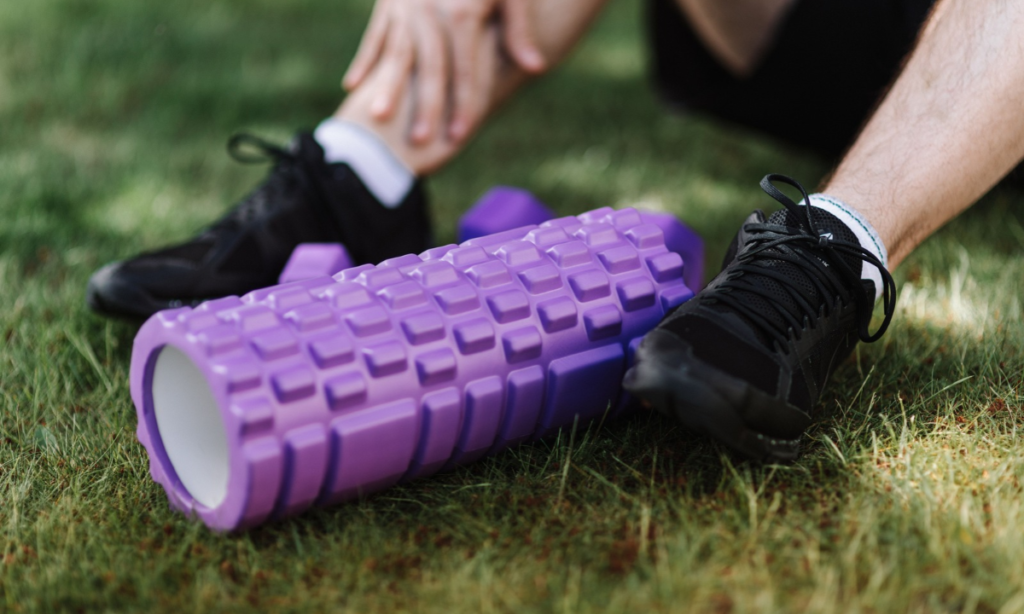
One simple tool that can help relieve muscle tightness is a foam roller. Foam rolling is a form of self-myofascial release that uses gentle pressure to target tight muscles and surrounding soft tissues. When used correctly, it can help improve mobility, reduce the sensation of muscle tension, and support post-workout recovery.
But can you use a foam roller for neck and shoulder tension? More importantly, how can you use one without causing discomfort or injury? Let’s explore the benefits, techniques, and safety tips to help you get started.
Can a Foam Roller Help with Neck and Shoulder Tension?
Yes, foam rolling may help reduce perceived muscle tightness and improve short-term mobility in the upper back and shoulder region. It works by applying controlled pressure to muscles and surrounding connective tissues, helping you relax tight areas and move more comfortably.
However, it is important to understand that foam rollers are not designed to treat every cause of neck pain. They work best as part of a broader routine that includes stretching, movement, and good posture habits.
Foam rolling is particularly useful for targeting the upper back, shoulder blades, and surrounding muscles. These areas often become tight due to prolonged sitting, repetitive movements, and poor ergonomic habits.
Benefits of Using a Foam Roller for Neck and Shoulder Tension
Adding foam rolling to your daily mobility routine may offer several benefits.
1. Helps Relieve Muscle Tightness
Long hours at a desk can cause muscles around your shoulders and upper back to feel stiff and overworked. Foam rolling applies gentle pressure to these muscles, which may help reduce the sensation of tightness and improve comfort.
Targeting areas such as the upper back and muscles around the shoulder blades can be particularly helpful.
2. Improves Upper Back Mobility
Limited movement in the upper back can contribute to stiffness and make everyday activities uncomfortable. Gentle foam rolling exercises can help improve thoracic spine mobility, making it easier to extend and rotate your upper back.
Better upper back mobility may also help you maintain more comfortable shoulder and neck positioning.
3. Supports Muscle Recovery
If you regularly exercise, lift weights, or perform repetitive upper-body movements, your shoulder and back muscles may feel sore afterward.
Foam rolling can help reduce perceived post-exercise soreness and temporarily improve range of motion. It is a useful recovery tool when combined with adequate rest, hydration, and appropriate exercise programming.
4. Encourages Relaxation
Foam rolling involves slow, controlled movements and mindful breathing. Taking a few minutes to focus on muscle relaxation can help you unwind after a long working day.
While foam rolling is not a treatment for stress-related neck pain, it can be a useful addition to a relaxation and mobility routine.
How to Use a Foam Roller for Neck and Shoulder Tension
Using a foam roller correctly is essential for getting the benefits while avoiding unnecessary pressure on sensitive areas.
Here are five simple exercises you can try.
1. Upper Back Foam Rolling
Best for: Upper back stiffness and rounded shoulder posture.
- Sit on the floor and place the foam roller horizontally behind your upper back.
- Bend your knees and keep your feet flat on the floor.
- Support your head gently with your hands without pulling on your neck.
- Slowly roll from the middle of your upper back toward the top of your shoulder blades.
- Pause briefly on areas that feel tight, then continue with controlled movements.
Perform this exercise for 30–60 seconds.
Safety tip: Keep the roller on your upper back and avoid rolling directly over your neck or lower back.
2. Shoulder Blade Foam Rolling
Best for: Tightness around the shoulder blades.
- Lie on your back with the foam roller positioned beneath your upper back.
- Shift your body slightly to one side to target the muscles around the shoulder blade.
- Keep your movements slow and controlled.
- Roll gently over the surrounding muscles without placing direct pressure on the shoulder joint or spine.
Continue for 20–30 seconds on each side.
3. Latissimus Dorsi Foam Rolling
Best for: Tightness along the sides of the upper back.
- Lie on your side and position the foam roller beneath your armpit area, along the side of your upper back.
- Extend your arm overhead if comfortable.
- Slowly move your body back and forth over the muscle.
- Avoid rolling directly over your armpit or shoulder joint.
Repeat for 20–30 seconds on each side.
4. Gentle Thoracic Extension
Best for: Improving upper back mobility.
- Position the foam roller horizontally beneath your upper back.
- Support your head with your hands.
- Keep your knees bent and feet flat on the floor.
- Gently lean your upper back over the roller while maintaining a comfortable range of motion.
- Return to the starting position without forcing the movement.
Repeat 5–8 times.
5. Shoulder Mobility Exercise
Best for: Reducing stiffness and improving shoulder movement.
- Lie on your back with the foam roller positioned vertically along your spine.
- Keep your head and hips supported.
- Slowly open your arms out to the sides, forming a T shape.
- Allow your shoulders to relax while keeping your movements comfortable.
- Hold for 15–20 seconds before returning to the starting position.
Repeat 2–3 times.
How Often Should You Use a Foam Roller for Neck and Shoulder Tension?
For most healthy adults, a short foam rolling session of around 5–10 minutes can be a practical starting point.
You can try these exercises three to five times per week, depending on your comfort and activity levels. Start with gentle pressure and shorter sessions, gradually increasing the duration if your body responds well.
You do not need to apply intense pressure to experience benefits. Foam rolling should feel like manageable pressure, not sharp pain.
Common Foam Rolling Mistakes to Avoid
Although foam rollers are relatively simple to use, incorrect techniques can cause unnecessary discomfort.
Here are some mistakes to watch out for:
- Rolling directly over the neck: Avoid placing a standard foam roller directly under your cervical spine. The neck contains sensitive structures and requires more targeted support.
- Applying excessive pressure: Pressing too hard can increase discomfort and irritate sensitive tissues.
- Rolling over bones and joints: Focus on the surrounding muscles rather than the spine, shoulder joints, or other bony areas.
- Moving too quickly: Fast movements reduce control and make it harder to target specific muscle groups.
- Ignoring pain: Stop immediately if you experience sharp pain, tingling, numbness, dizziness, or symptoms that travel down your arms.
If you have a recent injury, osteoporosis, a spinal condition, or unexplained neck pain, consult a healthcare professional before using a foam roller.
Final Thoughts
A foam roller can be a useful addition to your daily mobility and recovery routine if you frequently experience upper back and shoulder tightness. By targeting surrounding muscle groups, improving upper back mobility, and encouraging relaxation, foam rolling may help you feel more comfortable throughout the day.
The key is to use the right techniques, apply gentle pressure, and avoid rolling directly over your neck or spine. Combine foam rolling with regular movement, stretching, strengthening exercises, and better workstation ergonomics for a more complete approach to managing muscle tension.
Remember, foam rolling is a supportive recovery technique, not a replacement for medical treatment. If your neck or shoulder discomfort is persistent or worsening, seek professional advice before continuing.