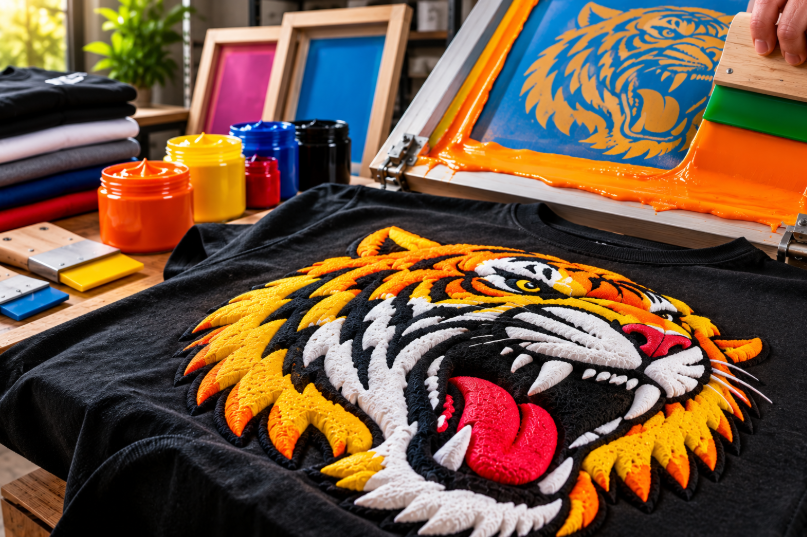

Getting started with screen printing can seem complicated when you see all the equipment, inks, screens, and accessories available. But you do not need to buy everything at once. A well-planned setup can give you the essential tools to start printing while leaving room to expand as your skills improve.
Whether you want to print a few shirts at home, create custom apparel, or explore screen printing as a small business, understanding what belongs in your setup is a good place to start.
Start With the Screen
The screen is one of the most important pieces of a screen printing setup. It holds the stencil and controls where the ink is transferred onto the garment.
Screens are available with different mesh counts, and the right choice depends on the type of artwork and ink you plan to use. Lower mesh counts generally work well for thicker ink deposits and bold designs, while higher mesh counts can be useful for finer details.
If you are new to screen printing, start with designs that are relatively simple. This allows you to learn how the ink, mesh and stencil work together before moving on to more complicated artwork.
Choose the Right Screen Printing Ink
Ink has a major effect on the appearance and feel of your finished print. Plastisol ink is a popular choice for apparel printing because it produces durable, vibrant prints and is suitable for many common fabrics.
Water-based ink is another option and is known for producing a softer feel on the garment. Your choice will depend on the fabric, design, desired finish, and equipment available to you.
Rather than purchasing several types of ink immediately, consider the kind of projects you plan to create and choose an ink that suits your usual printing needs.
Add a Quality Squeegee
A squeegee is another essential tool. It pushes ink across the screen and through the open areas of the stencil onto the garment.
The size and hardness of the squeegee can affect how the ink is deposited. A comfortable grip and appropriate size can also make printing easier, particularly when you are working on larger designs.
Your technique matters just as much as the equipment. Maintaining consistent pressure and keeping the squeegee at a suitable angle can help produce more even prints.
Include Emulsion and Stencil-Making Supplies
If you plan to create your own screens, you will need supplies for making stencils. Screen printing emulsion is commonly used to create the image area on the screen.
An emulsion scoop coater can help apply an even layer to the mesh. You will also need a way to expose the coated screen using your artwork and an appropriate light source.
After exposure, the screen is washed out to reveal the stencil. This process may require some practice, but learning it gives you greater control over your designs.
Prepare Your Artwork Properly
Before you start printing, spend some time preparing your artwork. A well-prepared design can make the screen-making and printing stages much easier.
Think about the number of colors, the level of detail, and the size of the design. Beginners may find it easier to start with bold graphics, simple illustrations, or clean typography.
If you are looking for inspiration before creating your artwork, exploring t-shirt design ideas can help you discover different design styles, typography combinations, layouts, and creative concepts for future projects. It can also help you decide what type of artwork will work well with your preferred printing method.
Do Not Overlook Curing Equipment
Printing the ink onto a shirt is only one part of the process. The print must also be cured properly so it can become durable and withstand normal washing and wear.
The equipment required depends on the type of ink and your production method. A heat press may work for certain applications, while a conveyor dryer can be more practical for larger production runs.
Always check the manufacturer’s curing instructions for the specific ink you are using. Proper curing helps protect the quality and durability of the finished print.
Keep Cleaning Supplies Ready
Screen printing can become messy, particularly when working with ink and emulsion. Having cleaning supplies available can make the process much easier and help you maintain your equipment.
Depending on your workflow, you may need screen wash, ink remover, emulsion remover, brushes, rags, and other cleaning products.
Cleaning your screens after use also makes it easier to reuse them for future projects. Keeping your workspace organized can save time and prevent unnecessary waste.
Consider Your Printing Goals
Not everyone needs the same equipment. Someone printing a few shirts for personal projects will have very different requirements from a person producing hundreds of garments each week.
Before purchasing equipment, consider:
- How frequently you plan to print
- What types of garments you will use
- Whether you will print one or multiple colors
- How detailed your designs will be
- How much workspace you have
- How many garments you expect to produce
- Whether you plan to print for personal use or customers
Thinking about these factors can help you build a setup around your actual needs rather than purchasing equipment you may rarely use.
Build Your Setup With Screen Print Direct
Finding the right supplies can make the learning process easier, especially when you are still becoming familiar with screen printing equipment.
Screen Print Direct provides a range of screen printing supplies and equipment for different stages of the printing process. This allows beginners and experienced printers to choose products based on their individual projects and production requirements.
Instead of trying to purchase an entire workshop immediately, start with the basic tools you need and gradually add equipment as your projects become more advanced.
Start Simple and Improve With Practice
A good screen printing kit does not need to be complicated. A suitable screen, squeegee, ink, stencil-making supplies, artwork, and proper curing method can provide the foundation for many projects.
The learning process becomes easier when you start with manageable designs and gradually increase the difficulty. Experiment with different garments, artwork styles, ink types, and printing techniques as you gain experience.
With the right equipment and plenty of practice, screen printing can become a rewarding creative skill and a practical way to produce custom apparel.