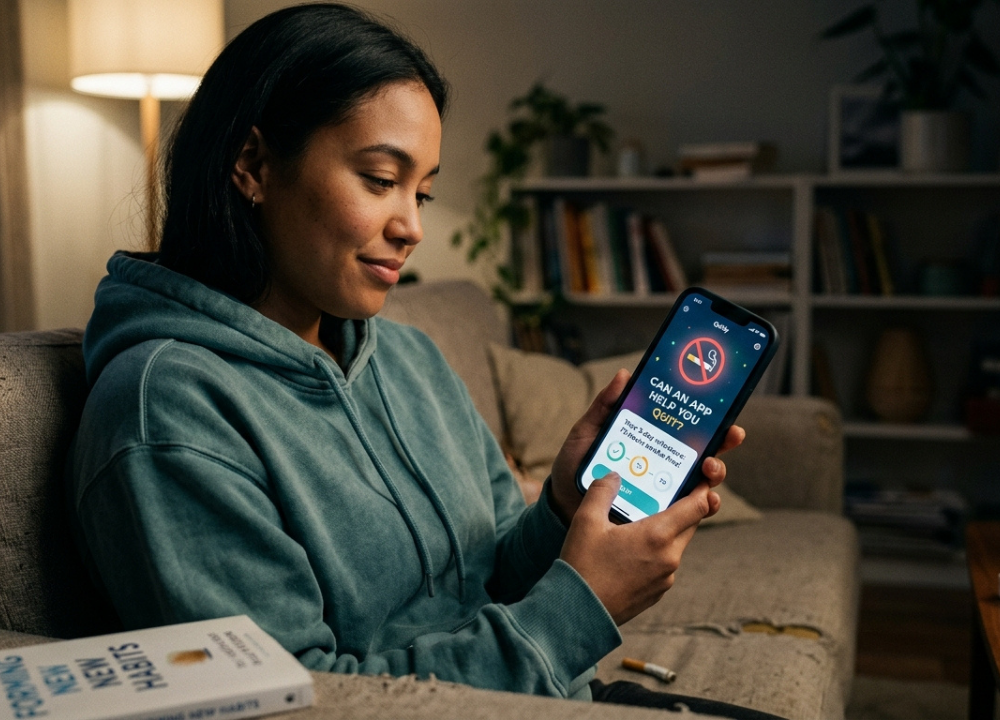

There is an app for almost everything now, including sobriety. Drink trackers, craving logs, meditation timers, online support groups, and virtual therapy sessions have all become part of how people try to change their relationship with alcohol and drugs. For many, a phone is the first place they turn when they start to worry about their habits, often long before they tell another person.
That shift matters, because the treatment gap remains wide. SAMHSA’s 2025 National Survey on Drug Use and Health, released in July 2026, estimated that 44.6 million people aged 12 or older had a substance use disorder in the past year, yet only about 16% of those who needed treatment received it. Digital tools promise to make help easier to reach. Some deliver on that promise, and some do not. Understanding the difference can help people decide when an app is enough and when they need more structured support, from outpatient counseling to face-to-face programs like Luxury Inpatient Rehab Services Malibu and other residential care.
How Digital Tools Entered Addiction Care
Digital options in addiction care now range from simple consumer apps to medical products reviewed by federal regulators.
The First Prescription Digital Therapeutic
In 2017, the U.S. Food and Drug Administration cleared the first prescription digital therapeutic for substance use disorder, an app that delivered cognitive behavioral therapy lessons for use alongside outpatient treatment. A similar product for opioid use disorder followed in 2018. The field has proven difficult, though. The company that developed both products filed for bankruptcy in April 2023, a reminder that regulatory clearance alone does not guarantee a digital treatment will be widely covered or sustained.
The Rise of Telehealth
Telehealth has become a significant route to care. According to SAMHSA’s 2024 National Survey on Drug Use and Health, about 3.6 million people aged 12 or older received substance use treatment through telehealth in the past year. Video sessions with counselors, psychiatrists, and physicians allow people to start or continue care without traveling to a clinic, which can be especially helpful in rural areas or for people with demanding schedules.
What Digital Tools Do Well
Used thoughtfully, technology can support recovery in several practical ways. The most useful tools tend to fill specific gaps rather than trying to replace professional care.
- Tracking patterns honestly. Drink logs and usage trackers help people see their real habits rather than relying on memory.
- Providing support between sessions. Apps with skill-building exercises, craving check-ins, and reminders can reinforce what people learn in therapy during the long hours between appointments.
- Lowering the barrier to a first step. Free, reputable resources such as NIAAA’s Rethinking Drinking website and its Alcohol Treatment Navigator help people assess their drinking and understand treatment options privately, before they feel ready to talk to someone.
- Improving access to clinicians. Telehealth makes it easier to reach licensed professionals, including those who can prescribe FDA-approved medications for alcohol and opioid use disorders when appropriate.
- Connecting people with community. Online meetings and peer groups offer connection at any hour, which can be valuable for people who feel isolated or who cannot attend in-person meetings.
Where Digital Tools Fall Short
The limits of technology are just as important to understand as its strengths, especially for people with moderate or severe substance use disorders.
Evidence Varies Widely
Not every app has been tested in clinical trials, and even for products that have been studied, long-term evidence can be limited. In 2020, the Institute for Clinical and Economic Review, an independent research organization, reported that it could not find strong evidence that digital apps for opioid use disorder provided benefits extending over multiple years. That does not mean such tools are useless, but it does mean bold marketing claims deserve caution.
Some Situations Require In-Person Care
Withdrawal from certain substances can be medically dangerous. The National Institute on Alcohol Abuse and Alcoholism warns that alcohol withdrawal can be severe and, in some cases, life-threatening. No app can monitor vital signs, manage complications, or respond to a medical emergency. People with heavy daily use, co-occurring mental health conditions, unstable living situations, or repeated relapses often benefit from higher levels of care, including medically supervised detox and residential treatment.
Privacy Is Not Always Guaranteed
Health information shared with a consumer app may not have the same protections as records held by a doctor’s office or treatment program. HIPAA generally applies to health care providers, health plans, and their business associates, not to every app on the market. The Federal Trade Commission updated its Health Breach Notification Rule in 2024 to clarify that it applies to many health apps not covered by HIPAA, but users should still read privacy policies carefully, especially before entering details about substance use.
How to Choose a Digital Tool Wisely
Before downloading an app or signing up for a virtual program, a few simple checks can help. Look for tools developed or reviewed by clinicians or reputable health organizations. Check whether the app explains how your data is stored and shared. Be wary of promises that sound too good to be true, such as guaranteed sobriety. And if the tool connects you to providers, confirm that they are licensed in your state.
Most importantly, consider whether an app is meant to supplement treatment or replace it. If you are struggling to cut back, experiencing withdrawal symptoms, or noticing serious effects on your health, work, or relationships, a digital tool should be a bridge to professional care rather than a substitute for it.
The Bottom Line
Digital tools have genuinely changed addiction care. They make it easier to track habits, reach clinicians, find community, and keep up with therapy between sessions. At the same time, evidence for many apps is still developing, privacy protections can vary, and some situations simply require in-person medical and therapeutic support.
The most effective approach often combines the convenience of technology with the depth of human care. Used that way, an app is not the whole answer, but it can be a meaningful part of one.
FAQs
1. Are there FDA-cleared apps for addiction treatment?
Yes. In 2017, the FDA cleared the first prescription digital therapeutic for substance use disorder, and a similar product for opioid use disorder followed in 2018. Both were designed to supplement clinical care, not replace it.
2. Is telehealth effective for addiction treatment?
Telehealth has become a common way to receive care. SAMHSA’s 2024 survey found that about 3.6 million people received substance use treatment through telehealth. It can expand access to counselors and prescribers, though some people need in-person or residential care depending on their situation.
3. Is my information private when I use a recovery app?
Not always to the same degree as medical records. HIPAA generally covers health care providers and health plans, not every consumer app. Reading the app’s privacy policy and understanding how data is stored and shared is an important step before entering sensitive information.